A garage door off track problem happens when the rollers are no longer traveling cleanly inside the metal tracks on one or both sides of the door. The door might look crooked, bind when it moves, or stop halfway, and it can quickly turn from “annoying” into “unsafe” if the opener keeps pulling on a door that is not aligned.
Common signs your garage door off track situation is getting worse include
-
The door tilts or sits unevenly when closed
-
One side moves and the other lags behind
-
Grinding, popping, or metal rubbing sounds
-
A visible gap between a roller and the track
-
The opener strains or the door reverses for no clear reason
When a door is off track, continuing to press the remote can bend the track further, damage rollers and hinges, and in some cases pull a cable off the drum. That is why the best first move is to stop operating the door and shift to safe troubleshooting steps.
If you want a quick reference point for what a safe, basic homeowner inspection looks like, the International Door Association has a straightforward maintenance checklist that covers visual inspections, balance checks, and reversing tests. It is a helpful standard to follow even when your door is working normally. International Door Association care and maintenance guide
If your door is stuck, hanging crooked, or you see cable slack, treat it as urgent. This is one of the fastest ways a simple issue can turn into a larger repair. For immediate help in the OKC metro, you can reference our internal resource on emergency garage door service in OKC.
Garage Door Off Track Safety Steps What To Do Right Now
If you suspect a garage door off track issue, your first goal is to prevent the door from moving again until it is assessed. Most damage escalates when the opener keeps pulling a door that is not traveling straight.
Start here
-
Stop using the remote and wall button. Repeated attempts can bend the track, pop more rollers out, or worsen cable problems.
-
Keep the area clear. Keep kids, pets, and vehicles away from the door opening and the track area.
-
Look for obvious hazards from a safe distance. Signs include a tilted door, a roller outside the track, a track pulling away from the wall, or a loose cable hanging near the drum. If any of these are visible, treat it as urgent.
-
Do not try to “force it” shut. Forcing an off-balance door can damage panels, hinges, and the opener rail, and it can create a pinch risk.
If the door is closed and you need to confirm it is not bound, you can do a basic check
-
Unplug the opener or switch off the breaker for the garage door circuit.
-
Do not pull the emergency release if the door is open or hanging crooked. With a garage door off track, the door can drop unexpectedly if cables or springs are compromised.
-
If the door is fully closed and stable, you can inspect the tracks for debris near the floor and check that the photo-eyes are not blocked. Avoid putting your hands near rollers, cables, or the spring system.
If the door is stuck open
-
Secure the home first. If you cannot close the door safely, move valuables out of view and secure an interior entry point if possible.
-
Call for professional help, especially if the door is uneven, cables look loose, or the track is bent.
Next, we’ll walk through the most common causes, so you can match symptoms to the right fix without guessing.
7 Urgent Reasons Your Garage Door Off Track Happens
A garage door off track issue almost always comes down to a mechanical failure or an alignment problem that builds up over time, then shows up suddenly. In many cases, the door gives warnings first, such as rubbing sounds, shaking during travel, or a door that starts closing unevenly. Once the rollers are no longer tracking smoothly, every open and close cycle can add stress to the cables, hinges, track brackets, and opener.
The next seven causes cover the most common reasons a garage door off track problem happens. As you read, match what you are seeing and hearing to the symptoms listed, then use the “what to do next” guidance to decide whether it is a safe DIY check or a call for repair.
If you want to compare this issue to other common garage door failures, this pairs well with our service information for garage door repair in the Oklahoma City metro
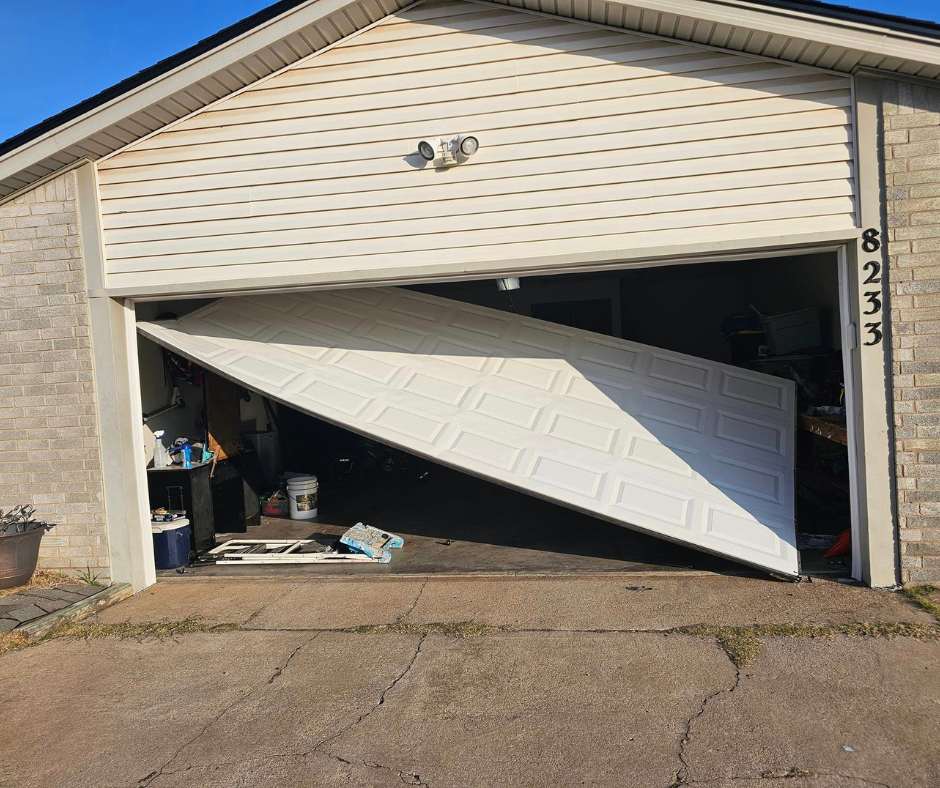
Garage Door Off Track Cause 1: Impact Damage to the Track
Impact is one of the fastest ways a garage door off track problem starts. It can be obvious, like lightly bumping the track with a vehicle, or subtle, like a trash can, bike handlebar, ladder, or lawn equipment catching the vertical track near the floor.
What impact damage usually looks like
-
A visible bend, dent, or pinch point in the track
-
The door “jumps” or jerks at the same spot every time
-
New scraping sounds where the roller passes the damaged area
-
The track brackets look shifted or the track is no longer plumb
Why this causes the garage door off track issue
The rollers are designed to glide through a consistent channel. When the track gets bent inward or pulled slightly out of alignment, the roller can bind, climb, or pop out of the track. Once that happens, the opener may keep pulling the door, which can twist panels, stress hinges, and create cable problems on one side.
What to do next
-
If the door is crooked or a roller is out of the track, stop operating it.
-
If you see a bent section, do not try to hammer it back into shape while the system is under tension.
-
A professional repair typically involves re-aligning the track, securing brackets, and replacing any track sections that are kinked or cracked, then testing door balance and travel.
Garage Door Off Track Cause 2: Worn or Broken Rollers
Worn rollers are a very common reason a garage door off track problem shows up, especially on doors that get used multiple times per day. Rollers are the small wheels that guide the door up and down the tracks. When they wear down, crack, or seize, the door can start to wobble, bind, and eventually slip out of alignment.
Signs roller wear is behind the garage door off track issue
-
Squealing, chirping, or grinding during travel
-
The door shakes or vibrates as it moves
-
The door moves unevenly, or looks “wavy” from section to section
-
You see cracked nylon rollers or rusted metal rollers
-
The door suddenly stops at a certain point, then lurches forward
Why rollers lead to a garage door off track situation
A roller that is worn flat, broken, or seized cannot glide smoothly inside the track. Instead, it drags, climbs the track edge, or pulls sideways against the track wall. Over time, this can loosen track brackets, widen alignment issues, and make it easier for a roller to pop out of the track when the door is under load.
What to do next
-
If the door is still sitting straight and closed, you can visually inspect rollers near the bottom for cracking or wobble. Do not put hands near moving parts.
-
If the door is visibly crooked or a roller is out of the track, stop using the opener and schedule repair.
-
Professional roller replacement typically includes checking hinge wear, tightening track hardware, confirming track spacing, and lubricating correctly so the new rollers do not wear prematurely.
Garage Door Off Track Cause 3: Loose Track Hardware and Misalignment
Over time, normal vibration and daily use can loosen the bolts that hold your tracks and brackets in place. When that happens, the track spacing changes just enough to create a garage door off track problem, especially as the door transitions from vertical to the curve at the top.
Signs loose hardware or misalignment is the culprit
-
The door rubs on one side or looks tighter against one track
-
You notice rattling noises near the track brackets
-
The track looks slightly tilted, bowed, or pulled away from the wall
-
The door binds at the same spot on the way up or down
-
The door closes unevenly, leaving a gap at one corner
Why this causes a garage door off track issue
Garage door tracks are set with very specific spacing so rollers stay captured and travel straight. Even small shifts can force rollers to ride the edge of the track. That added side pressure can make a roller climb out, particularly if other parts are already worn.
What to do next
-
If the door is visibly crooked or binding, stop using the opener.
-
Avoid tightening track bolts randomly. Tracks must be aligned square and plumb, and overtightening can distort the track.
-
A professional repair typically involves re-securing brackets, correcting track alignment, confirming proper spacing, and testing door balance and travel so the garage door off track problem does not come back.
Garage Door Off Track Cause 4: Garage Door Cable Problems
Cable issues are one of the most urgent causes of a garage door off track problem. The lift cables carry a large portion of the door’s load as it moves. When a cable frays, snaps, or slips off the drum, the door can lift unevenly and pull hard to one side, which is a common way rollers come out of the track.
Signs cable trouble is causing the garage door off track issue
-
The door rises unevenly, with one side higher than the other
-
You see slack in a cable on one side
-
A cable looks frayed, rusted, or “bird-nested” near the drum
-
The door is stuck, hanging, or appears twisted
-
You heard a sharp pop and now the door will not travel normally
Why cable problems push a garage door off track
When one cable loses tension, the door’s weight shifts to the opposite side. That imbalance pulls rollers against the track wall and can force a roller to climb out. If the opener keeps running, it may twist the door sections, bend track, and damage hinges in minutes.
What to do next
-
Stop using the opener immediately.
-
Do not attempt to reset a cable on the drum. This repair involves high tension components and can be dangerous without the right tools and experience.
-
A professional repair typically includes replacing or resetting cables, inspecting drums, checking springs for balance, re-aligning the tracks if needed, and verifying safe door operation after the garage door off track issue is corrected.
Garage Door Off Track Cause 5: Broken or Failing Springs
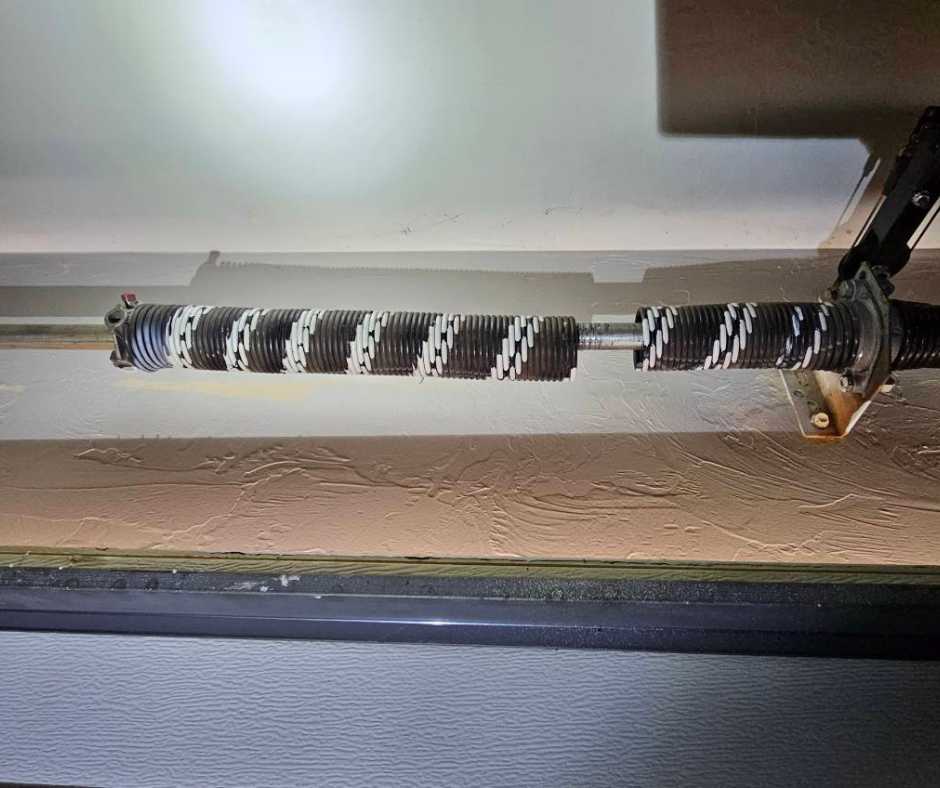
A failing spring can create a garage door off track situation by throwing the entire door out of balance. Springs are responsible for counterbalancing the door’s weight. When a spring breaks or loses tension, the opener and cables end up doing work they were not designed to handle, and the door can lift unevenly or bind in the tracks.
Signs a spring issue is behind the garage door off track problem
-
The door feels unusually heavy if you try to lift it manually
-
The opener strains, moves slowly, or stops mid-cycle
-
The door rises a few inches, then tilts or gets stuck
-
You heard a loud bang from the garage, then the door stopped working normally
-
You notice a visible gap in the spring coil on a torsion system
Why spring failure leads to a garage door off track issue
When spring tension is lost, the door can sag on one side, especially as it starts moving. That uneven load increases friction in the tracks and puts extra stress on rollers, hinges, and cables. It only takes a small amount of twist for a roller to climb out of the track, which is when the garage door off track issue becomes obvious.
What to do next
-
Stop using the opener. Running a door with a broken spring can cause additional damage and can create a safety risk.
-
Do not attempt to adjust or replace springs yourself. Spring systems are under high tension and require specialized tools and procedures.
-
A professional repair typically includes replacing the correct spring size, checking cables and drums, confirming track alignment, and testing balance so the door runs smoothly and the garage door off track problem does not return.
Garage Door Off Track Cause 6: Debris, Ice, or Obstructions in the Track
Sometimes a garage door off track issue starts with something simple, such as debris in the track, hardened buildup, or winter ice near the bottom seal. Oklahoma wind and storms can push grit into the track channel, and even small obstructions can force a roller to ride up and out of position.
Signs debris or an obstruction is causing the garage door off track problem
-
The door stops suddenly near the floor or at the same point each time
-
Scraping sounds that started after a storm or cold snap
-
The door reverses when closing, but the sensors look fine
-
You can see dirt clumps, pebbles, leaves, or hardened grease inside the track
-
Ice buildup near the bottom corners of the door
Why this causes a garage door off track situation
Rollers need a clear channel to travel. When debris blocks the track, the roller can jam and the door may twist slightly as the opener keeps pulling. That twist adds side pressure, and a roller can pop out, turning a minor obstruction into a true garage door off track repair.
What to do next
-
If the door is still straight and stable, unplug the opener and do a visual check along both tracks, especially near the floor.
-
Use a dry cloth to wipe out loose debris. Avoid flooding the track with heavy lubricant, which can trap dirt and worsen buildup.
-
If the door is crooked, binding hard, or a roller is already out of the track, stop and call for repair. There may be additional damage that needs correction, not just cleaning.
Garage Door Off Track Cause 7: Door Panel Damage or a Warped Door
Panel damage can create a repeating garage door off track problem because the door no longer travels as a straight, rigid system. A cracked section, fatigued hinge area, or warped door can cause the rollers to pull at the wrong angle, especially as the door moves through the curved track at the top.
Signs panel or door damage is causing the garage door off track issue
-
A visible crease, crack, or dent in one or more sections
-
Hinges look pulled, twisted, or the screws are backing out
-
New gaps appear between sections when the door is closed
-
The door “snakes” as it moves, instead of traveling smoothly
-
The door keeps coming off track even after minor adjustments
Why damaged panels lead to a garage door off track situation
Tracks and rollers are designed for a door that stays square as it moves. When a panel flexes or a hinge area fails, the roller path changes. That can force a roller to ride the track edge and eventually pop out. If the opener continues pulling, damage can spread to additional hinges, the track, and the top section of the door.
What to do next
-
Stop using the door if it is visibly twisted or binding.
-
Panel replacement can be a good option when damage is limited and the rest of the door is in good shape.
-
If the door has widespread warping, multiple damaged sections, or repeated off-track events, a full replacement may be the smarter long-term fix, especially if you want improved insulation and quieter operation along with solving the garage door off track problem.
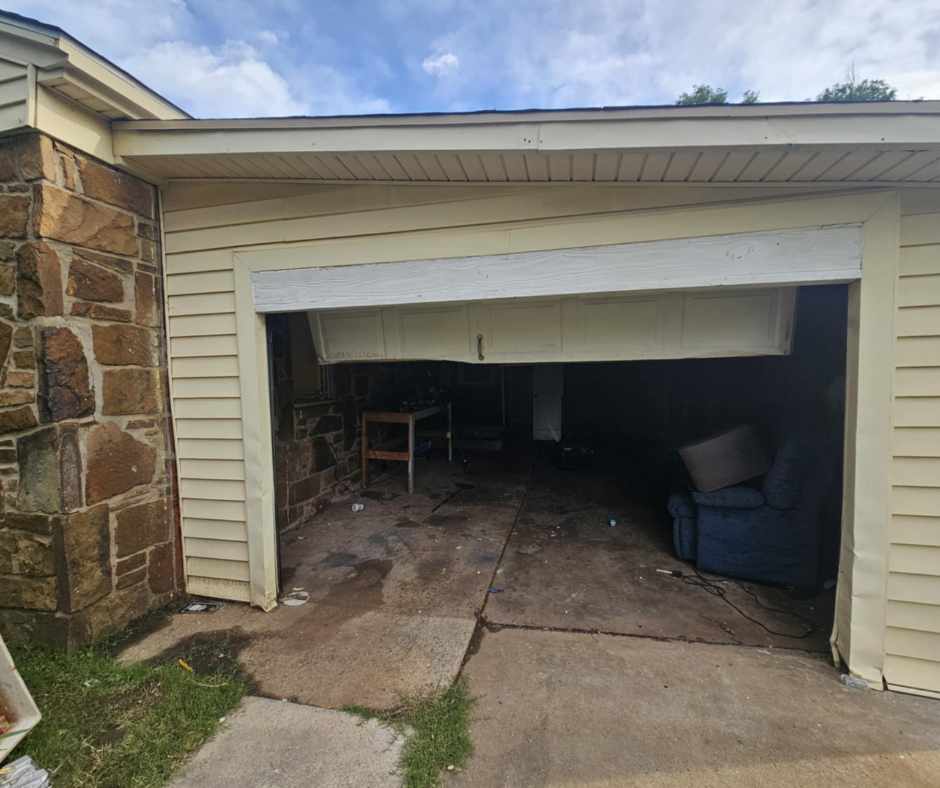
Garage Door Off Track Troubleshooting: Signs You Need a Pro Now
A garage door off track issue can shift from “minor” to “unsafe” quickly. Use the checklist below to decide when it is time to stop troubleshooting and schedule repair.
Call a professional right away if you notice any of the following
-
The door is hanging crooked or one side is lower than the other
-
A roller is outside the track or the track is visibly bent
-
Cables are loose, frayed, or off the drum
-
The track is pulling away from the wall or the brackets look ripped or shifted
-
The door feels extremely heavy or will not lift smoothly by hand (with the opener disconnected and the door fully closed and stable)
-
The opener is straining (loud humming, grinding, jerking, or repeated stopping)
-
The door is stuck open and the opening cannot be secured safely
-
You heard a loud bang and the door started operating unevenly afterward (often spring related)
What not to do during a garage door off track event
-
Do not try to force the door closed with the opener
-
Do not try to reset cables or adjust springs
-
Do not loosen track bolts “to see if it helps”
-
Do not stand under the door if it is tilted or partially supported
If any of the risk signs above are present, the safest move is to stop operation and have the system corrected and tested. Next, we’ll cover what a technician typically does during a garage door off track repair visit so readers know what to expect.
Garage Door Off Track Repair: What a Professional Will Do
When you call for garage door off track service, the goal is not just to get the rollers back into the track. A quality repair corrects the root cause, replaces worn parts that contributed to the failure, and confirms the door is balanced and traveling correctly so it does not happen again.
Here is what a professional repair visit typically includes.
Garage Door Off Track Inspection and Safety Check
-
Confirm the door is stable and secure before any work begins
-
Inspect both tracks for bends, gaps, loose brackets, or shifting hardware
-
Check rollers for cracking, flat spots, wobble, or seized bearings
-
Inspect hinges and fasteners for fatigue or pulled screw holes
-
Inspect lift cables and drums for fraying, slack, or mis-wrap
-
Evaluate spring condition and balance signs (torsion or extension system)
-
Check the opener for strain, rail alignment issues, and travel limits
Resetting and Aligning the Garage Door Off Track System
-
Carefully guide rollers back into the track if it is safe and appropriate
-
Re-align tracks to proper spacing and plumb positioning
-
Re-secure brackets and hardware at correct tension and placement
-
Replace any damaged track sections if bends or kinks compromise safe travel
Replacing Worn Parts That Trigger Garage Door Off Track Failures
Depending on the cause, a technician may recommend
-
Roller replacement (nylon or steel, based on door type and usage)
-
Cable reset or replacement if frayed or off the drum
-
Hinge replacement if hinges are twisted or fatigued
-
Spring replacement if the door is out of balance or a spring has failed
Testing and Tune-Up After Garage Door Off Track Repair
A proper repair ends with functional testing, including
-
Manual balance test to confirm the door is not too heavy or too “hot”
-
Smooth travel check through the full open and close cycle
-
Opener force and travel limit verification
-
Safety reversing test and photo-eye alignment check
-
Light lubrication at correct points to reduce future wear
How To Prevent a Garage Door Off Track Problem in the Future
A garage door off track issue is often preventable when small wear signs are caught early. The goal is simple: keep the door traveling straight, keep hardware tight and aligned, and replace high-wear parts before they fail.
Monthly Visual Checks That Help Prevent Garage Door Off Track Issues
Spend two minutes looking and listening with the door closed and then during one open and close cycle. Watch for
-
The door moving evenly on both sides
-
New rubbing or grinding sounds
-
Rollers that wobble or look cracked
-
Track brackets that look shifted or have fresh bolt marks
-
Gaps between the door and the frame that were not there before
Keep Tracks Clear Without Over-Lubricating
Tracks collect dust and grit. Wipe the inside edge of the track near the floor and remove obvious debris. Avoid heavy grease in the track itself, which can trap dirt and create buildup that contributes to a garage door off track problem.
Replace Rollers Before They Fail
Rollers wear out quietly until they do not. If you notice squealing, vibration, or wobble, roller replacement is often a cost-effective way to prevent a roller from popping out and causing a garage door off track event.
Address Door Balance Early
If the door suddenly feels heavy, the opener strains, or the door stops mid-travel, the system may be out of balance. Spring issues and cable wear often show up this way before they escalate into a garage door off track repair. This is a situation where calling a pro early usually saves money.
Schedule a Professional Tune-Up
An annual tune-up is a practical way to catch track alignment issues, worn rollers, hinge fatigue, and cable wear before they create a full garage door off track failure. A technician can also verify opener force settings and safety reversal functions, which keeps the system operating smoothly and safely.
Garage Door Off Track Repair in the Oklahoma City Metro Call Total Door Solutions
If you are dealing with a garage door off track problem, the safest and fastest move is to stop using the opener and get it corrected before the track, rollers, cables, or panels take additional damage. Total Door Solutions provides off track diagnostics and repairs across the Oklahoma City metro, including Yukon, Mustang, Edmond, Moore, and Norman.
If your door is crooked, stuck, or you see cable slack, treat it as urgent. Off track doors can shift suddenly, and repeated opener use is one of the quickest ways to turn a repair into a bigger replacement.
Book service here
-
Contact page: Contact Us
-
Website: Total Door Solutions
-
Call or text: (405) 822-3113
Connect with us online
-
Facebook: Total Door Solutions
-
Instagram: Total Door Solutions
Garage Door Off Track FAQ
Garage Door Off Track Can I keep using the opener
No. If the door is visibly crooked, binding, or a roller is out of place, continued opener use can bend the track further and increase the chance of cable or panel damage. The safest move is to stop operating the door and schedule service.
Garage Door Off Track What is the most common cause
In real-world repairs, the most common triggers are roller wear, loose track hardware that slowly shifts alignment, and impact damage near the lower track area. Cable and spring issues are less frequent, but they are more urgent when they occur.
Garage Door Off Track How do I know if cables are the issue
Look for uneven lifting, one side drooping, visible slack, or fraying near the drums. If you see any of those signs, stop using the door and call for repair. Cable and spring work involves high tension components.
Garage Door Off Track Can it be fixed without replacing the whole door
Often, yes. Many off track repairs are resolved with track alignment, roller replacement, and correcting the root cause. Full replacement is usually only recommended when panels are severely damaged, the door is warped, or multiple sections are compromised.
Garage Door Off Track How can I reduce the chances it happens again
A quick monthly visual check, keeping the track area clear near the floor, and scheduling periodic tune-ups are the best prevention steps. The International Door Association publishes a homeowner maintenance guide that is a solid reference for safe upkeep.
Garage Door Off Track Conclusion
A garage door off track problem is one of those issues that rarely improves on its own. The safest approach is to stop using the opener, keep the area clear, and get the cause identified before the track, rollers, cables, or panels take additional damage. If your door is crooked, stuck, or making grinding noises, Total Door Solutions can help with fast, professional garage door off track repair across the Oklahoma City metro. To get scheduled, use our contact page or message us through Google, Facebook, or Instagram so we can get your door back to smooth, safe operation.