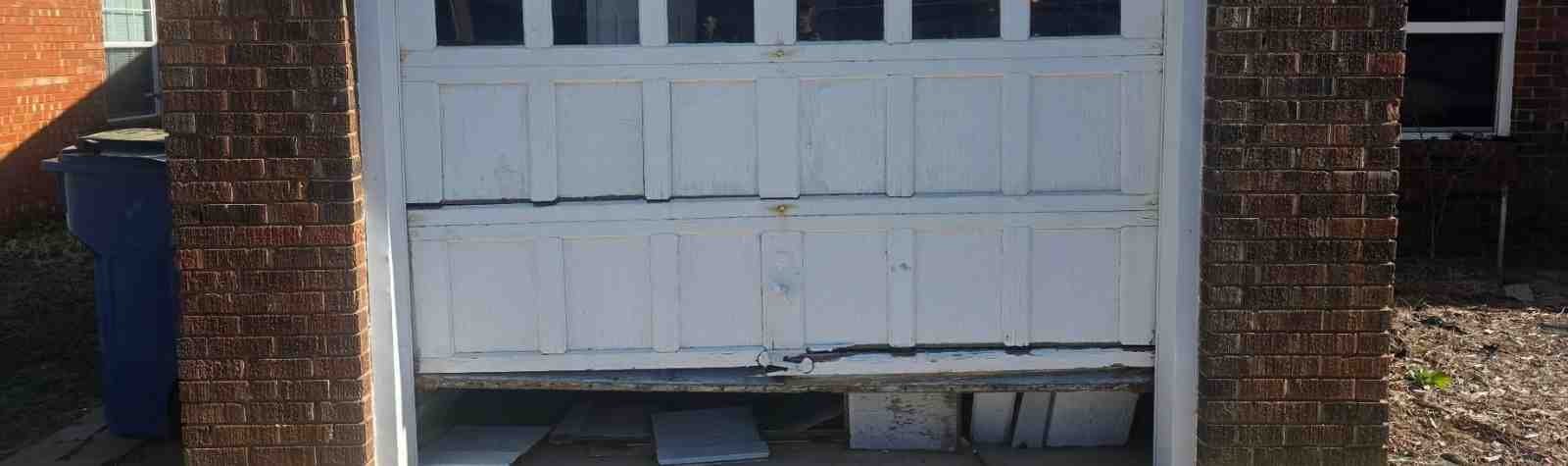
If your garage door won’t close, it can quickly turn into a frustrating and inconvenient problem. Whether you’re trying to leave for work or secure your home at night, a garage door that won’t shut properly is something that needs attention right away.
There are several reasons this can happen. In many cases, the issue is something simple like a sensor being blocked or a remote battery that needs to be replaced. Other times, it could point to a more serious problem with your garage door system that requires professional repair.
In this guide, we’ll break down the most common reasons your garage door won’t close and what you can do to fix it. If you’re in the Oklahoma City area and need help, you can always reach out to Total Door Solutions for fast and reliable service.
When your garage door won’t close, the issue is usually tied to a safety feature or a mechanical problem within the system. Modern garage doors are designed with built-in safeguards to prevent damage or injury, so even a small issue can stop the door from closing completely.
In many cases, the problem comes down to one of a few common causes. Safety sensors may be blocked or misaligned, something could be in the path of the door, or parts like springs, tracks, or the opener may not be working correctly. Sometimes, the garage door will start to close and then reverse, which is another sign that something isn’t functioning as it should.
Understanding the root cause is the first step toward fixing the problem. Some issues can be handled with a quick adjustment, while others require professional repair to get your garage door working properly again.
Garage Door Sensors Are Misaligned or Blocked
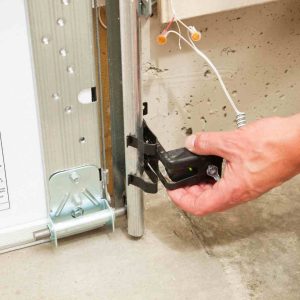
One of the most common reasons a garage door won’t close is an issue with the safety sensors. These sensors are located near the bottom of the garage door tracks on each side. Their job is to detect anything in the path of the door and stop it from closing to prevent damage or injury.
How to Tell If Your Garage Door Sensors Are Not Working
If your sensors are misaligned or blocked, you may notice:
- The garage door starts to close but reverses
- The opener lights flash
- One or both sensor lights are off or blinking
Even something as simple as dust, dirt, or a small object can interfere with the sensor beam. Sunlight hitting the sensors at certain angles can also cause issues.
How to Fix Misaligned Garage Door Sensors
Start by checking that nothing is blocking the sensors. Wipe them clean with a soft cloth and make sure both sensors are facing each other directly. If one has been bumped out of place, gently adjust it until the indicator lights are solid.
If your garage door sensor is not working after these steps, it may need to be repaired or replaced. In that case, it’s best to have a professional take a look to avoid further issues.
Something Is Blocking the Door’s Path
Another common reason your garage door won’t close all the way is that something is physically blocking the path of the door. Garage door systems are designed to stop immediately if they detect an obstruction, even if it’s small.
Common Things That Can Block Your Garage Door
It doesn’t take much to trigger the safety system. Some common obstructions include:
- Trash cans or storage bins
- Tools or equipment left near the door
- Debris like leaves, dirt, or small rocks
- Items stored too close to the tracks
Even if the object isn’t directly in the center, it can still interfere with the door’s movement or the sensor beam.
How to Fix a Blocked Garage Door
Start by checking the entire area around your garage door, including both sides near the tracks. Remove anything that could be in the way and try closing the door again.
If the door still won’t close, take a closer look at the tracks for buildup or debris that may be affecting how the door moves. Keeping this area clean can help prevent future issues and keep your garage door operating smoothly.
Dead Remote Batteries or Wall Switch Issues
Sometimes the reason your garage door won’t close is something simple that gets overlooked. If the opener isn’t responding, the issue could be with the remote, wall switch, or power supply rather than the door itself.
How to Tell If Your Garage Door Opener Is Not Working
You may notice:
- The remote doesn’t respond at all
- The wall switch works, but the remote does not
- The opener makes no sound when you try to close the door
These are signs that the problem may be related to the opener controls rather than a mechanical issue with the garage door.
Quick Fixes to Try
Start by replacing the batteries in your remote. This is one of the most common and easiest fixes. If that doesn’t solve the problem, try using the wall-mounted button inside your garage.
If neither the remote nor the wall switch works, check to see if the opener is receiving power. In some cases, it could be a tripped breaker or unplugged unit.
If your garage door opener is not working after these steps, it may need professional repair to restore proper operation.
Garage Door Springs Are Broken or Worn
If your garage door won’t close or feels heavy and unbalanced, the problem could be with the springs. Garage door springs do most of the heavy lifting, and when they wear out or break, the door may not operate correctly.
Signs of a Broken Garage Door Spring
You may notice:
- A loud bang coming from the garage
- The door feels much heavier than usual
- The door won’t stay in place or moves unevenly
- The opener struggles or stops while closing
In some cases, a garage door won’t close but will open, or it may only move part of the way before stopping.
Why You Should Not Fix Garage Door Springs Yourself
Garage door springs are under a lot of tension and can be dangerous to handle without the proper tools and experience. Trying to repair or replace them on your own can lead to serious injury or further damage to your garage door system.
If you suspect a broken or worn spring, it’s best to contact a professional. A trained technician can safely replace the spring and get your garage door working properly again.
Misaligned or Damaged Tracks
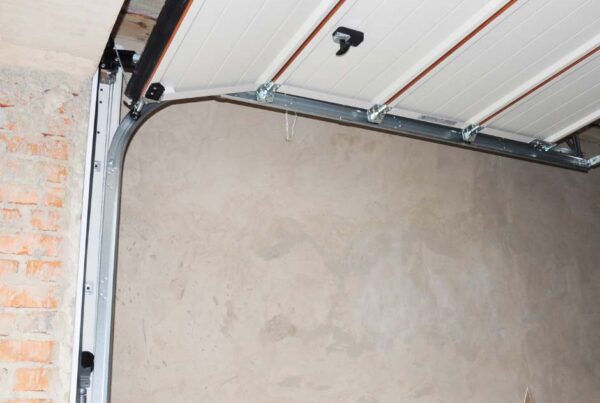
If your garage door is not closing properly, the issue could be with the tracks that guide the door as it moves. When the tracks are bent, misaligned, or blocked, the door may struggle to close or stop partway.
Signs Your Garage Door Tracks Are the Problem
Look for these signs:
- The door gets stuck while closing
- The door looks uneven as it moves
- Grinding or scraping noises
- Visible bends or gaps in the tracks
Even small misalignments can cause the rollers to catch, preventing the door from closing smoothly.
How to Address Track Issues
Start by inspecting the tracks on both sides of the door. Remove any dirt or debris that could be interfering with movement. You can also check for loose hardware and tighten any bolts if needed.
If the tracks are bent or significantly out of alignment, this is not something that should be forced back into place. Trying to adjust damaged tracks without the right tools can make the problem worse.
For track repairs or alignment issues, it’s best to have a professional handle the job to make sure your garage door operates safely and correctly.
Garage Door Closes Then Opens Again
If your garage door closes then opens, it’s usually a sign that the system thinks something is in the way, even when nothing is there. This is a built-in safety feature, but it can be frustrating when it happens repeatedly.
Why Your Garage Door Reverses Before Closing
A few common causes include:
- Misaligned or dirty safety sensors
- Incorrect opener force settings
- Travel limits set too low
- Small debris affecting the door’s movement
Even if the door touches the ground, it may reverse if the opener senses resistance or believes it hit an obstruction.
How to Fix a Garage Door That Reverses
Start by checking the sensors again. Make sure they are clean, aligned, and free from obstruction. Next, inspect the area where the door meets the ground to make sure nothing is interfering.
If the issue continues, the opener’s settings may need adjustment. Most garage door openers allow you to fine-tune the force and travel limits. You can refer to your opener’s manual or visit the International Door Association for general safety guidance and best practices.
If adjustments don’t solve the issue, it may be time for professional help. You can learn more about repair options on our garage door services page at Total Door Solutions or schedule a service to get your system working properly again.
Opener Limit or Force Settings Are Incorrect
If your garage door won’t close all the way, the problem could be with the opener’s limit or force settings. These settings control how far the door travels and how much force the opener uses to close it.
What Are Garage Door Limit and Force Settings
The limit setting tells the opener how far the door should travel before it stops. The force setting controls how much resistance the opener will allow before reversing.
If these settings are off, the door may:
- Stop before reaching the ground
- Reverse right before closing
- Not close fully
This is often why a garage door won’t close all the way even when nothing is blocking it.
How to Adjust Garage Door Opener Settings
Most garage door openers have adjustment screws or dials located on the motor unit. These allow you to fine-tune how the door operates. Small adjustments can make a big difference in getting the door to close properly.
If you’re unsure how to adjust these settings, it’s best not to guess. Incorrect adjustments can lead to more problems or put extra strain on your system.
For reliable help, you can contact Total Door Solutions to inspect and properly adjust your garage door opener so it operates safely and smoothly.
When to Call a Garage Door Repair Professional
Some garage door issues are quick fixes, but others require the right tools and experience to handle safely. If your garage door won’t close after trying basic troubleshooting, it’s time to bring in a professional.
Signs You Should Call for Garage Door Repair
You should consider professional service if:
- The door is off track or uneven
- Springs or cables appear broken or loose
- The door is making loud or unusual noises
- The opener is not responding at all
- The problem keeps happening after you’ve tried simple fixes
Garage doors are heavy and operate under tension, especially when it comes to springs and cables. Trying to repair these parts without proper training can lead to injury or additional damage.
Get Reliable Garage Door Repair in Oklahoma City
If you’re dealing with a garage door that won’t close, the team at Total Door Solutions is ready to help. We provide fast and reliable garage door repair, garage door installation, and garage door replacement services throughout Oklahoma City, Yukon, Edmond, Moore, Norman, and surrounding areas.
Get Your Garage Door Working Properly Again
If your garage door won’t close, it’s not something to put off. A door that won’t shut properly can affect your home’s security and make daily routines more stressful. What may seem like a small issue can turn into a larger repair if it’s not addressed early.
Many of the common causes can be identified quickly, but some problems require the right tools and experience to fix safely. From sensor issues to worn parts, getting the problem diagnosed correctly is the first step toward restoring proper function and avoiding further damage.
If your garage door is not closing or acting unpredictably, it’s time to get it looked at. Professional service can get your system back to smooth, reliable operation so you can get back to your normal routine with confidence.
🌐 Website: www.totaldoorsolutionsok.com
📍 Serving: Oklahoma City, Yukon, Moore, Mustang, Norman, and Edmond
🔗 Google Profile: Total Door Solutions